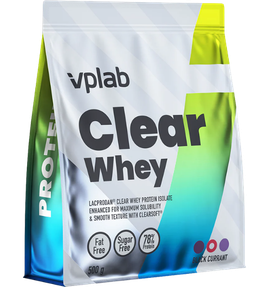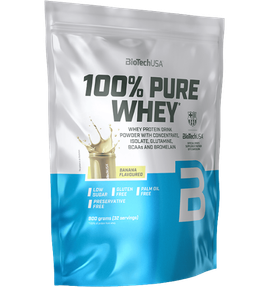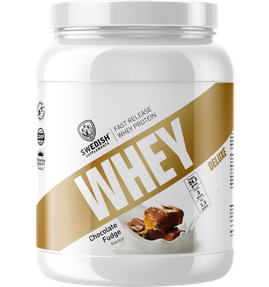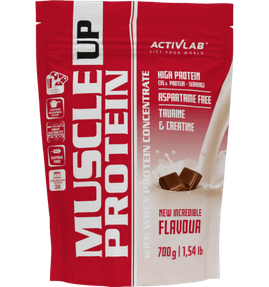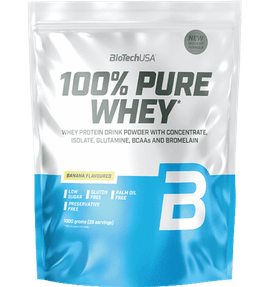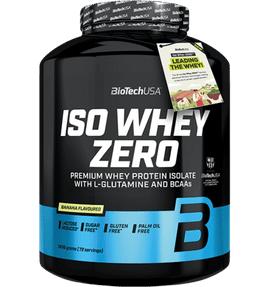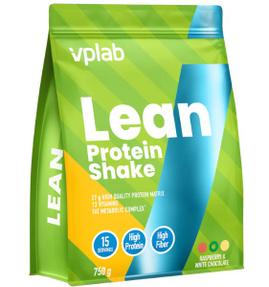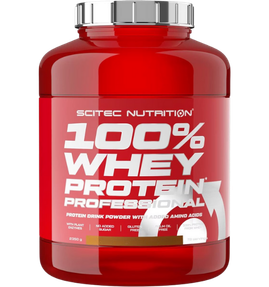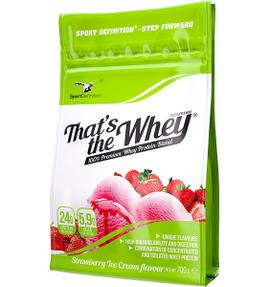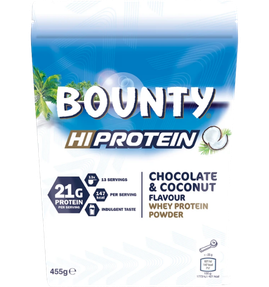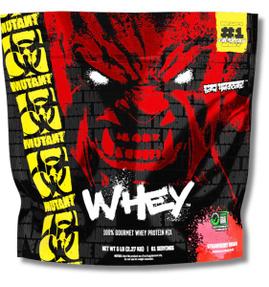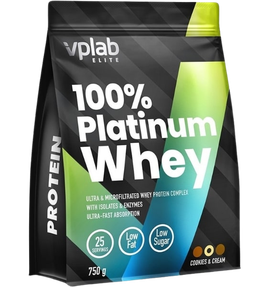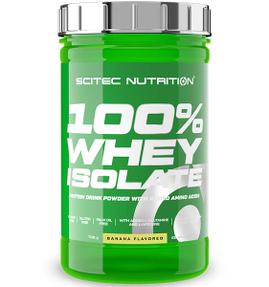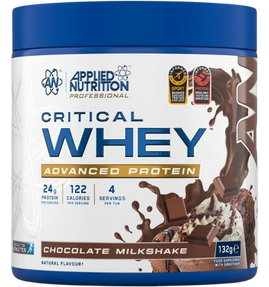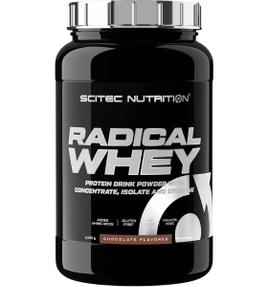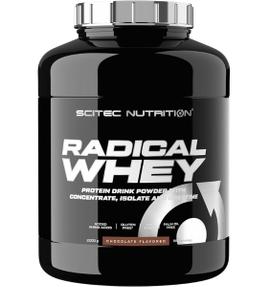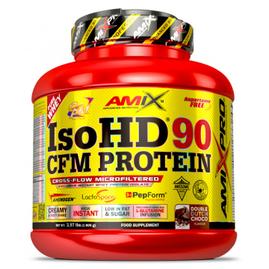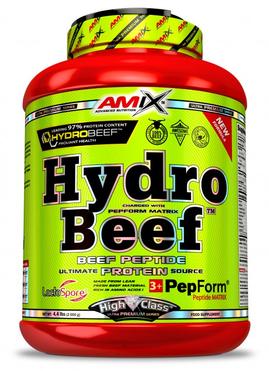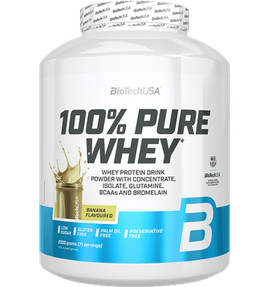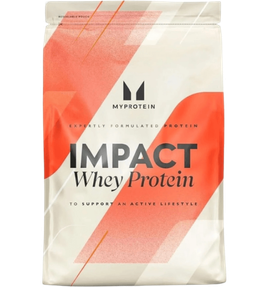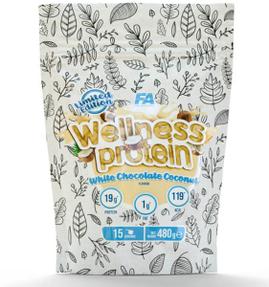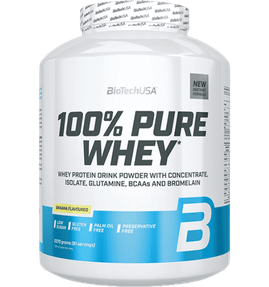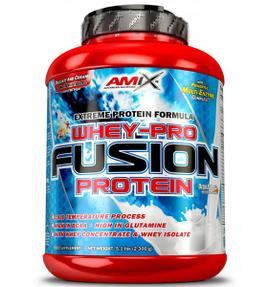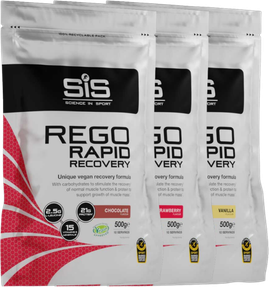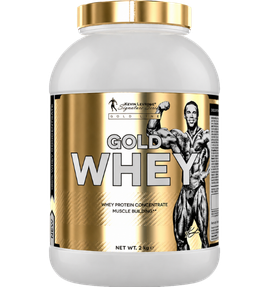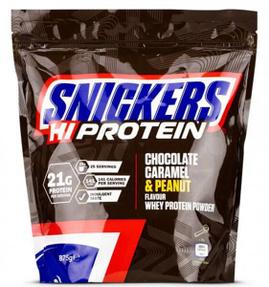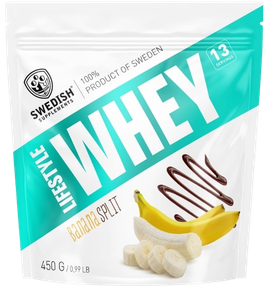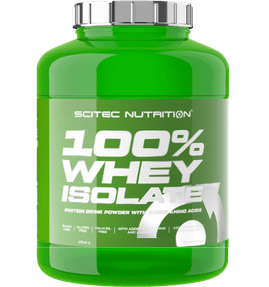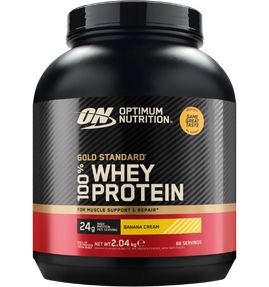
Kodėl brangsta išrūgų baltymai?
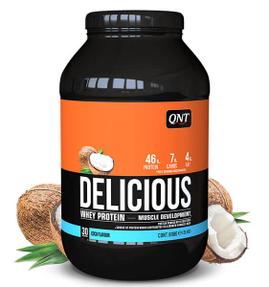
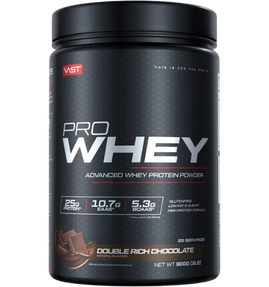
If you have recently been interested in whey protein or other sports nutrition products, you have probably noticed that protein prices on the market are rising. The main reason is the rising price of whey protein raw material on the global market. Whey protein is one of the most popular and most studied protein sources for humans. However, its production depends on the dairy industry, so changes in the dairy market directly affect the prices of sports nutrition products as well. The MrBiceps team works daily with suppliers and manufacturers throughout Europe, so we see these changes up close. Despite the rising prices of raw materials, our goal remains the same – to do everything we can to offer customers the best possible price-to-quality ratio.
What is whey protein?
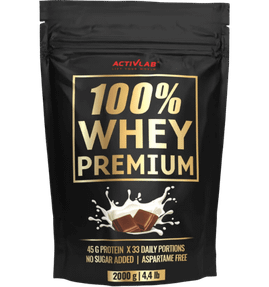
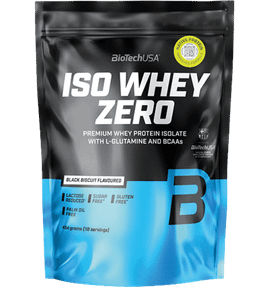
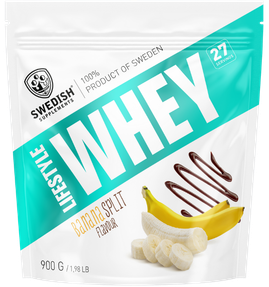
Whey protein is a high-quality protein obtained from milk during cheese production. Milk contains two main types of proteins: casein (~80%) and whey proteins (~20%). During the production of cheese, the whey separates, which is then filtered and concentrated until protein powders are obtained, which are used in sports nutrition products. The 3 main forms most commonly used are:
- Whey Protein Concentrate (WPC) – whey protein concentrate;
- Whey Protein Isolate (WPI) – whey protein isolate;
- Whey Protein Hydrolysate (WPH) – hydrolyzed proteins.
Whey proteins have a very good amino acid composition and an especially high BCAA content, which is important for muscle protein synthesis. Scientific studies show that a sufficient amount of protein in the diet helps to maintain and grow muscle mass and contributes to muscle recovery after physical exertion.
Why is the price of whey protein raw material rising?
In recent years, the price of whey protein raw material on the global market has been rising. Over the past year, whey protein raw material has become approximately 20–40% more expensive, and for some products, especially protein isolate, prices have risen by more than 50%. These price changes are determined by several main factors:
Changes in the dairy sector. Since whey is a dairy product, its supply directly depends on the costs of dairy farms: feed, energy prices, labor costs. The increase in these costs directly affects whey protein prices on the markets.
Demand for proteins is growing rapidly worldwide. The sports nutrition market is steadily expanding, with an average annual growth of about 10%. After the pandemic, the number of people exercising in many markets has increased by approximately 15–20%, and about 50% of physically active people regularly use protein supplements. At the same time, whey proteins are used not only in the production of sports supplements; they are widely used in medical nutrition, infant formulas and various food industry products. This means that several different industries are competing for the same raw material today, which further increases its demand on the global market.
The rising prices of sports nutrition products are also contributed to by the increasing costs of production and logistics. In recent years, energy prices, transport costs, the price of packaging materials and general production costs have risen significantly. Since a large part of sports nutrition products are produced in some countries and sold in others, logistics becomes a particularly important factor in the final price. International supply chains, transportation costs and storage costs have a direct impact on the cost price of the product and the final price to the consumer.
How does this affect the prices of protein supplements?
In supplements, whey protein raw material accounts for the largest part of the product's cost price. Depending on the specific product and the type of protein used, this raw material can account for as much as about 50–80% of the total cost price. The remaining part is made up of production processes, flavors and additional ingredients, packaging, transport, storage, and retail costs. Therefore, when the price of whey protein raw material rises on the global market, this is often directly reflected in the final price of the product to consumers.
What is MrBiceps doing to keep prices as favorable as possible?
Although raw material prices on the global market are rising, MrBiceps strives to mitigate this impact on its customers as much as possible. To this end, we apply several important solutions that allow us to maintain competitive prices and ensure a stable supply of products.
- Direct work with manufacturers. We cooperate with reliable European manufacturers and maintain long-term supply relationships. This makes it possible to ensure more stable raw material prices, better supply conditions and high product quality.
- Large order quantities. Working on a wholesale scale, we can order larger quantities of products. This provides the opportunity to obtain more favorable raw material prices and reduce the overall cost price of the product.
- Efficient warehousing and logistics. We continuously optimize stock planning, warehousing processes and the supply chain. This helps to reduce additional costs and ensure smooth product supply.
- Promotions and special offers. Even with rising raw material prices, we regularly offer special promotions, sales and loyalty offers. In this way, we aim to ensure that high-quality protein supplements remain accessible to as wide a circle as possible of people exercising and choosing an active lifestyle.
How will protein prices change in the future?
It is difficult to predict accurately, but many market experts believe that whey protein prices may remain higher in the near future. According to the latest data from the international market analysis platform Vesper Price Index (VPI) (end of February – beginning of March 2026), the whey protein market has currently reached a stage that analysts call a "producer-driven market". This means that due to the limited supply of raw material, manufacturers have more opportunities to set prices. A rather rare phenomenon is also currently being observed – whey protein prices in Europe and the USA have almost equalized, as both markets are facing a similar shortage of raw material.
According to the Vesper Price Index data:
- WPC80 (whey protein concentrate) in Europe costs approximately €15.78–16.50 per kg
- WPI90 (whey protein isolate) – approximately €23.50 per kg.
Market analysts predict that the tension in the whey protein market may continue at least until the end of the first half of 2026, and prices could stabilize only with the emergence of new production capacities.
As the prices of whey proteins rise, some consumers begin to pay more attention to alternative protein sources, for example:
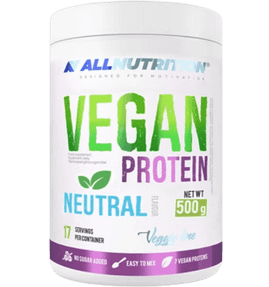
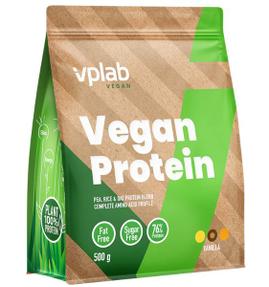
- Plant proteins – pea, soy or rice proteins. They are becoming increasingly popular, although their amino acid composition differs from that of whey proteins.
- Collagen proteins – demand for them is also growing due to their potential benefits for skin and joint health.
How can consumers reduce expenses?
In order to maintain a sufficient amount of protein in the diet while also controlling expenses, several solutions can be considered:
- Buy in larger quantities. Larger packages often allow you to reduce the price per serving.
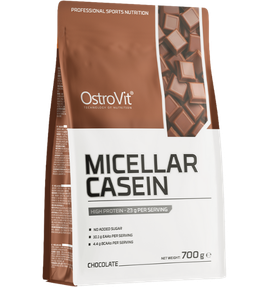
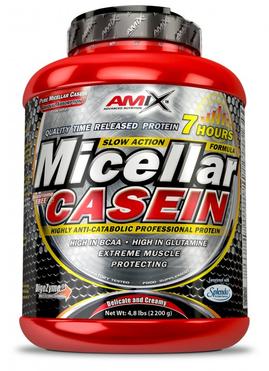
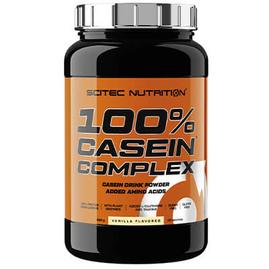
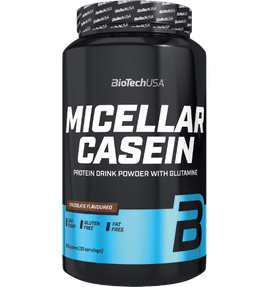
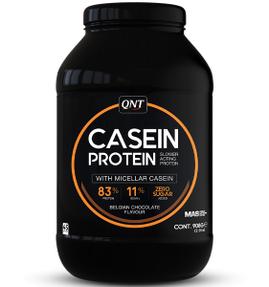
- Consider alternative protein sources. In addition to whey protein, there are other types of protein powders. One of the closest in terms of properties is casein, the price of which has not increased significantly in recent times.
Who can benefit from whey protein?
Whey protein is a convenient and quick way to increase the amount of protein in the daily diet. It is easily absorbed and can be used as an additional source of protein alongside regular food.
- For people who exercise. People who exercise often have a higher protein requirement. Proteins contribute to maintaining muscle mass, muscle growth and recovery after training, so protein supplements are one of the most commonly used products in the diet of actively exercising people.
- For physically active people. Even when exercising non-professionally or simply leading an active lifestyle, protein supplements can be a convenient way to supplement the daily diet and ensure a sufficient amount of protein.
- For people who find it difficult to get enough protein from food. For some people, due to the pace of life or eating habits, it may be difficult to get enough protein from regular food. In such cases, protein supplements can be used as an additional source of protein alongside a balanced diet.
How to use whey protein?
Recommended dose. One serving usually contains about 20–30 g of protein, but the exact amount depends on body weight, physical activity and the overall amount of protein in the diet.
When to use. Proteins are most often consumed after training, between meals, in the morning or as an additional source of protein during the day.
What to use it with. Protein powders can be mixed with water, milk, plant-based drinks or shakes.
Precautions. Whey proteins are considered safe for most people, however, they may not be suitable for those allergic to milk proteins or intolerant to lactose. As with any food supplement, the recommended dose should not be exceeded, and supplements should not replace a balanced diet and a healthy lifestyle.
Whey proteins remain one of the most popular food supplements, as they have a high biological value and a good amino acid composition. However, their price is closely linked to the global market for milk and whey raw material, so the prices of protein supplements may sometimes increase. The MrBiceps team works constantly with suppliers and manufacturers to ensure a stable supply of products, offer high-quality supplements and maintain the best possible price-to-quality ratio. Even as the market changes, our goal remains the same – to help people who exercise easily find reliable food supplements at a good price.
Frequently asked questions (FAQ)
The main reason: the rising price of whey protein raw material, which depends on the global dairy market.
Yes, raw material prices can fluctuate. If the situation in the dairy market stabilizes, protein prices may also decrease.
No. Proteins can also be obtained from food. However, supplements are a convenient way to reach the required amount of protein.
It is worth paying attention to: the amount of protein, the composition, the reliability of the manufacturer, and the price per serving.